


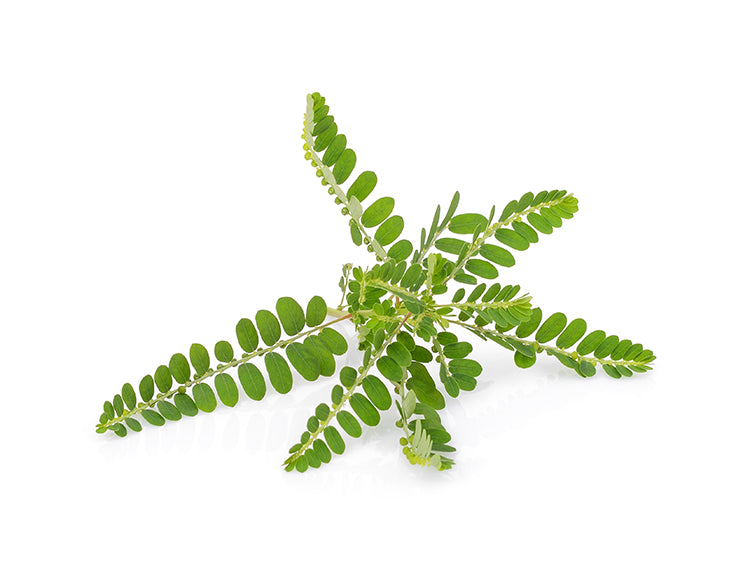
Chanca Piedra (Phyllanthus niruri)
Background
Chanca Piedra (Phyllanthus niruri), commonly known as "Stone Breaker," is a tropical plant native to South America, India, and Southeast Asia. For centuries, it has been used in traditional herbal medicine to support kidney, liver, digestive, and urinary tract health. Today, it is one of the most widely recognized botanicals for promoting healthy urinary tract function and maintaining normal mineral balance within the kidneys.
Chanca Piedra contains a variety of naturally occurring plant compounds, including lignans, flavonoids, tannins, alkaloids, and polyphenols, which contribute to its antioxidant and wellness-supporting properties. Modern extracts are carefully standardized to provide consistent levels of these beneficial phytochemicals.
Traditional Uses
Chanca Piedra has been used for generations in Ayurvedic medicine and traditional South American herbal practices. Its Spanish name, meaning "Stone Breaker," reflects its long history of supporting kidney and urinary tract health.
Traditionally, herbal practitioners used Chanca Piedra to promote healthy urine flow, support normal kidney function, maintain urinary comfort, and encourage the body's natural elimination processes. It was also valued for supporting liver health, digestion, and the body's natural ability to maintain healthy mineral balance.
What Does Science Tell Us?
Chanca Piedra has been extensively studied for its role in supporting kidney and urinary tract health. Research suggests it helps maintain healthy urinary chemistry by supporting normal calcium oxalate balance, promoting healthy urine flow, and encouraging an environment that helps maintain healthy mineral balance within the urinary tract.
Laboratory studies suggest compounds in Chanca Piedra may influence the formation, growth, and aggregation of calcium oxalate crystals, the most common mineral involved in kidney stones. Rather than dissolving existing stones, current evidence indicates the herb supports the body's natural processes for maintaining a healthy urinary environment and normal mineral metabolism.
Research has also shown that Chanca Piedra provides antioxidant support by helping protect kidney cells from oxidative stress. Additional studies suggest it may help support smooth muscle relaxation within the urinary tract, promoting normal urinary flow and healthy kidney function.
Beyond urinary health, Chanca Piedra has been investigated for its ability to support healthy liver function and digestive wellness through its antioxidant and plant polyphenol content. While additional human clinical research is still needed, current evidence supports its long-standing use as a botanical for urinary tract and kidney wellness.
Safety
Chanca Piedra has been used traditionally for centuries and is generally well tolerated when used as directed. Human clinical studies have reported few adverse effects, with occasional mild digestive discomfort being the most commonly reported side effect.
Because Chanca Piedra may influence urinary function and blood pressure, individuals taking diuretics, blood pressure medications, blood sugar-lowering medications, or medications for kidney conditions should consult a healthcare professional before use.
Individuals who are pregnant, nursing, or managing a medical condition should consult a qualified healthcare provider before beginning supplementation.
References
- Nishiura JL, Campos AH, Boim MA, Heilberg IP, Schor N. Phyllanthus niruri normalizes elevated urinary calcium levels in calcium stone-forming patients. Urological Research. 2004;32(5):362-366. https://pubmed.ncbi.nlm.nih.gov/15221244/
- Freitas AM, Schor N, Boim MA. The effect of Phyllanthus niruri on urinary inhibitors of calcium oxalate crystallization and other factors associated with renal stone formation. BJU International. 2002;89(9):829-834. https://pubmed.ncbi.nlm.nih.gov/12010223/
- Bagalkotkar G, Sagineedu SR, Saad MS, Stanslas J. Phytochemicals from Phyllanthus niruri: A review of their pharmacological properties. Journal of Pharmacy and Pharmacology. 2006;58(12):1559-1570.
- Patel JR, Tripathi P, Sharma V, Chauhan NS, Dixit VK. Phyllanthus amarus and Phyllanthus niruri: A review of their phytochemistry, pharmacology, and therapeutic applications. Journal of Ethnopharmacology. 2011;138(2):286-313.
- Calixto JB, Santos ARS, Cechinel Filho V, Yunes RA. A review of the plants of the genus Phyllanthus: Their chemistry, pharmacology, and therapeutic potential. Medicinal Research Reviews. 1998;18(4):225-258.