


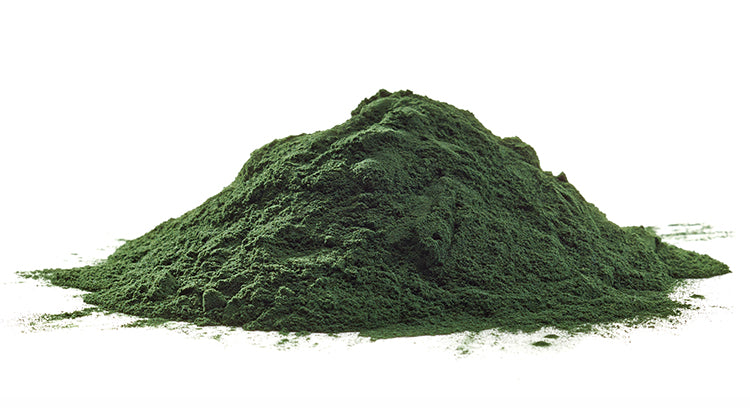
Chlorella
Background
Chlorella is a nutrient-dense, single-celled freshwater green algae that has been consumed as a food for decades. Rich in chlorophyll, protein, vitamins, minerals, carotenoids, and other phytonutrients, chlorella is recognized for its ability to support overall wellness through nutritional and antioxidant support. Because humans cannot digest its tough outer cell wall, most dietary supplements use broken cell wall chlorella, allowing its nutrients to be more readily absorbed.
Today, chlorella is widely used in dietary supplements to support the body's natural detoxification processes, immune function, liver health, and antioxidant defenses.
Traditional Uses
Although chlorella is not a traditional herb, it has been consumed as a nutrient-rich food since the mid-20th century, particularly in Japan and other parts of Asia. As interest in whole-food nutrition grew, chlorella became popular for its dense nutritional profile and its ability to complement healthy diets.
Today, chlorella is commonly used to support healthy detoxification, provide antioxidant protection, promote immune health, and help maintain overall vitality.
What Does Science Tell Us?
Chlorella is rich in chlorophyll, carotenoids, vitamins, minerals, and bioactive compounds that help support the body's natural defense systems. Research suggests these nutrients contribute to chlorella's antioxidant activity by helping protect cells from oxidative stress caused by free radicals.
One of chlorella's most studied areas is its role in supporting the body's natural detoxification pathways. Laboratory and animal research suggests chlorella may bind certain unwanted compounds within the digestive tract, supporting their natural elimination through normal digestive processes. Human studies have also explored its role in promoting the body's natural clearance of certain environmental compounds while supporting normal liver function.
Chlorella has also been studied for its effects on immune health. Clinical research suggests supplementation may help support healthy immune cell activity and promote a balanced immune response, particularly through its naturally occurring polysaccharides and other bioactive nutrients.
In addition, research indicates that chlorella may support cardiovascular and metabolic health by helping maintain healthy cholesterol levels, blood pressure already within the normal range, and normal blood sugar metabolism. While these benefits continue to be investigated, they highlight chlorella's broad role in supporting whole-body wellness.
Overall, current evidence supports chlorella as a nutrient-rich superfood that helps promote antioxidant protection, healthy detoxification pathways, immune function, and overall cellular health.
Safety
Broken cell wall chlorella has demonstrated a favorable safety profile and is generally well tolerated when used as directed. Clinical studies have reported few adverse effects, with occasional mild digestive symptoms such as bloating, nausea, or changes in stool consistency during the first few days of use.
Because chlorella naturally contains vitamin K, individuals taking anticoagulant medications such as warfarin should consult their healthcare provider before supplementation. Individuals with algae allergies, those who are pregnant or nursing, or anyone managing a medical condition should also seek medical guidance before use.
As with many nutrient-dense supplements that support the body's natural detoxification processes, beginning with the recommended serving and maintaining adequate hydration may help improve tolerability.
References
- Panahi Y, Darvishi B, Jowzi N, et al. Chlorella vulgaris: A multifunctional dietary supplement with diverse medicinal properties. Current Pharmaceutical Design. 2016;22(2):164-173.
- Merchant RE, Andre CA. A review of recent clinical trials of the nutritional supplement Chlorella pyrenoidosa in the treatment of fibromyalgia, hypertension, and ulcerative colitis. Alternative Therapies in Health and Medicine. 2001;7(3):79-91.
- Shim JY, Shin HS, Han JG, et al. Protective effects of Chlorella vulgaris on liver function and antioxidant status in healthy adults. Nutrition Journal. 2008;7:18.
- EFSA Panel on Dietetic Products, Nutrition and Allergies (NDA). Scientific opinion on the safety of Chlorella as a food ingredient. EFSA Journal.
- Bucheli P, Swendseid ME. The nutritional value and health benefits of Chlorella. Journal of the American Nutraceutical Association. 2004;7(3):19-26.