


Indole-3-Carbinol (I3C)
Background
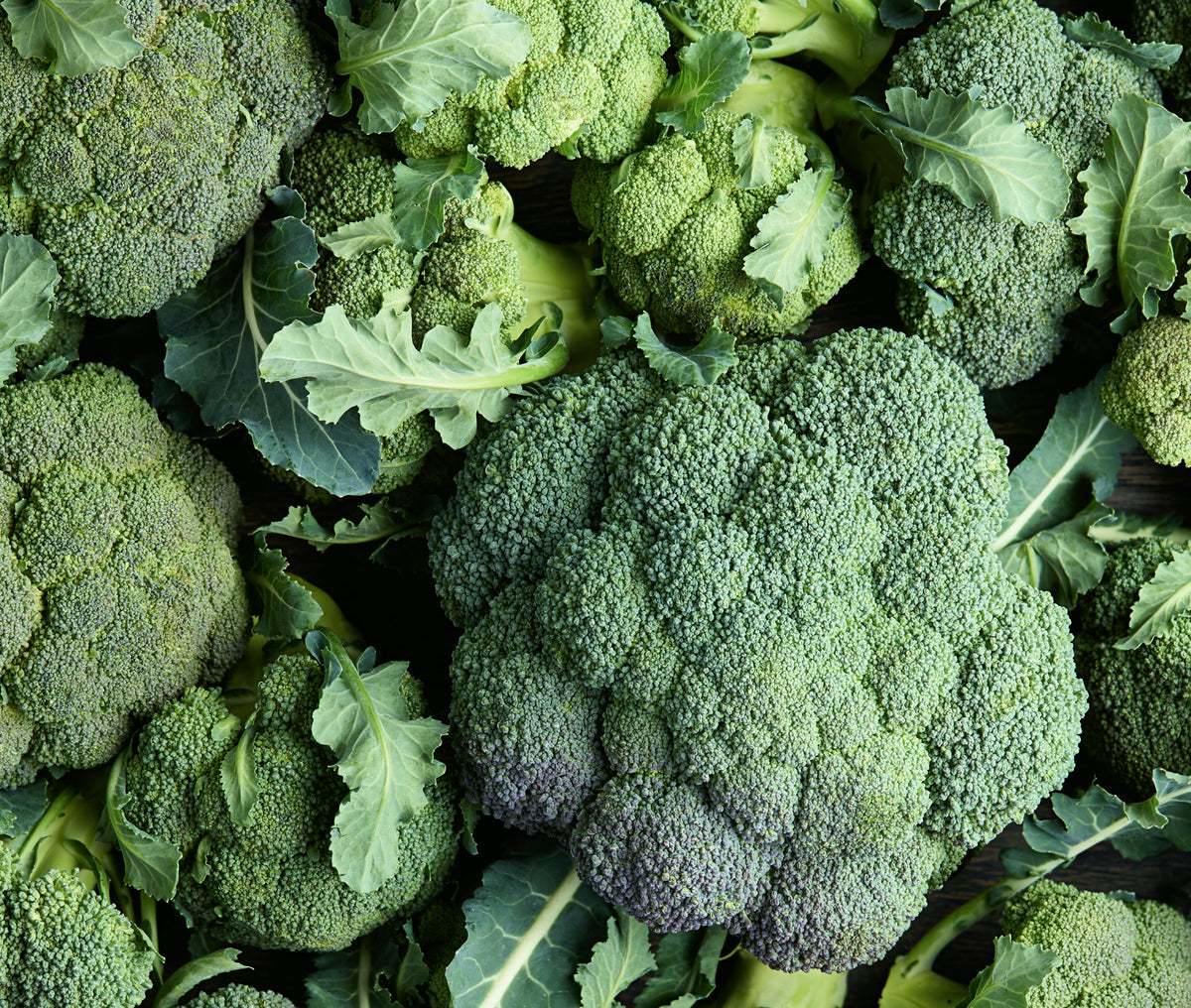
Indole-3-Carbinol (I3C) is a naturally occurring plant compound formed when cruciferous vegetables such as broccoli, Brussels sprouts, cabbage, kale, and cauliflower are chopped, chewed, or digested. These vegetables contain glucobrassicin, a glucosinolate that breaks down to form I3C and other beneficial compounds.
Once consumed, I3C undergoes additional changes in the acidic environment of the stomach, forming several biologically active compounds, including diindolylmethane (DIM). Because of these unique metabolites, I3C has become an important area of nutritional research for supporting healthy estrogen metabolism, cellular health, and the body's natural detoxification pathways.
Traditional Uses
Cruciferous vegetables have been valued as nutritious foods for centuries and are a longstanding part of traditional diets throughout Europe, Asia, and other parts of the world. Cabbage, kale, broccoli, and related vegetables have historically been consumed to promote digestion, nourishment, and overall wellness.
Modern nutritional science has helped identify I3C as one of the naturally occurring compounds that contributes to the unique properties of cruciferous vegetables. Today, I3C is commonly used in dietary supplements to support healthy hormone metabolism, liver detoxification pathways, antioxidant defenses, and overall cellular wellness.
What Does Science Tell Us?
One of the most extensively studied properties of I3C is its role in estrogen metabolism. Research suggests that I3C and the compounds formed from it can influence enzymes involved in the way the body processes estrogen. Human studies have shown changes in estrogen metabolite patterns following I3C supplementation, supporting its use for maintaining healthy estrogen metabolism and hormonal balance.
I3C also interacts with the body's natural detoxification systems. Research indicates that it can influence Phase I and Phase II enzymes involved in processing hormones and other compounds so they can be appropriately metabolized and eliminated. These pathways are particularly active in the liver and play an important role in maintaining normal cellular function.
Scientists have also extensively investigated I3C for its effects on cellular signaling. Laboratory and preclinical studies suggest that I3C and its metabolites influence pathways involved in normal cell growth, antioxidant defenses, and healthy inflammatory responses. These findings have generated significant interest in the relationship between cruciferous vegetable compounds and long-term cellular health.
Because I3C is converted into several compounds after ingestion, including DIM, its biological effects are complex and continue to be studied. Overall, current research supports I3C for promoting healthy estrogen metabolism, natural detoxification pathways, and cellular wellness.
Safety
I3C has been evaluated in human clinical research and is generally well tolerated when used at commonly studied supplemental amounts. Reported side effects are typically mild and may include digestive discomfort, nausea, headache, or dizziness.
Because I3C can influence enzymes involved in hormone and drug metabolism, individuals taking prescription medications should consult a healthcare professional before supplementation. Individuals with hormone-sensitive medical conditions should also seek professional guidance before use.
Individuals who are pregnant or nursing should consult a qualified healthcare provider before using concentrated I3C supplements.
References
Reed GA, Peterson KS, Smith HJ, et al. A phase I study of indole-3-carbinol in women: Tolerability and effects. Cancer Epidemiology, Biomarkers & Prevention. 2005;14(8):1953-1960.
Bradlow HL, Michnovicz J, Telang NT, Osborne MP. Effects of dietary indole-3-carbinol on estradiol metabolism and spontaneous mammary tumors in mice. Carcinogenesis. 1991;12(9):1571-1574.
Michnovicz JJ, Bradlow HL. Induction of estradiol metabolism by dietary indole-3-carbinol in humans. Journal of the National Cancer Institute. 1990;82(11):947-949.
Higdon JV, Delage B, Williams DE, Dashwood RH. Cruciferous vegetables and human cancer risk: Epidemiologic evidence and mechanistic basis. Pharmacological Research. 2007;55(3):224-236.