


NMN
Background
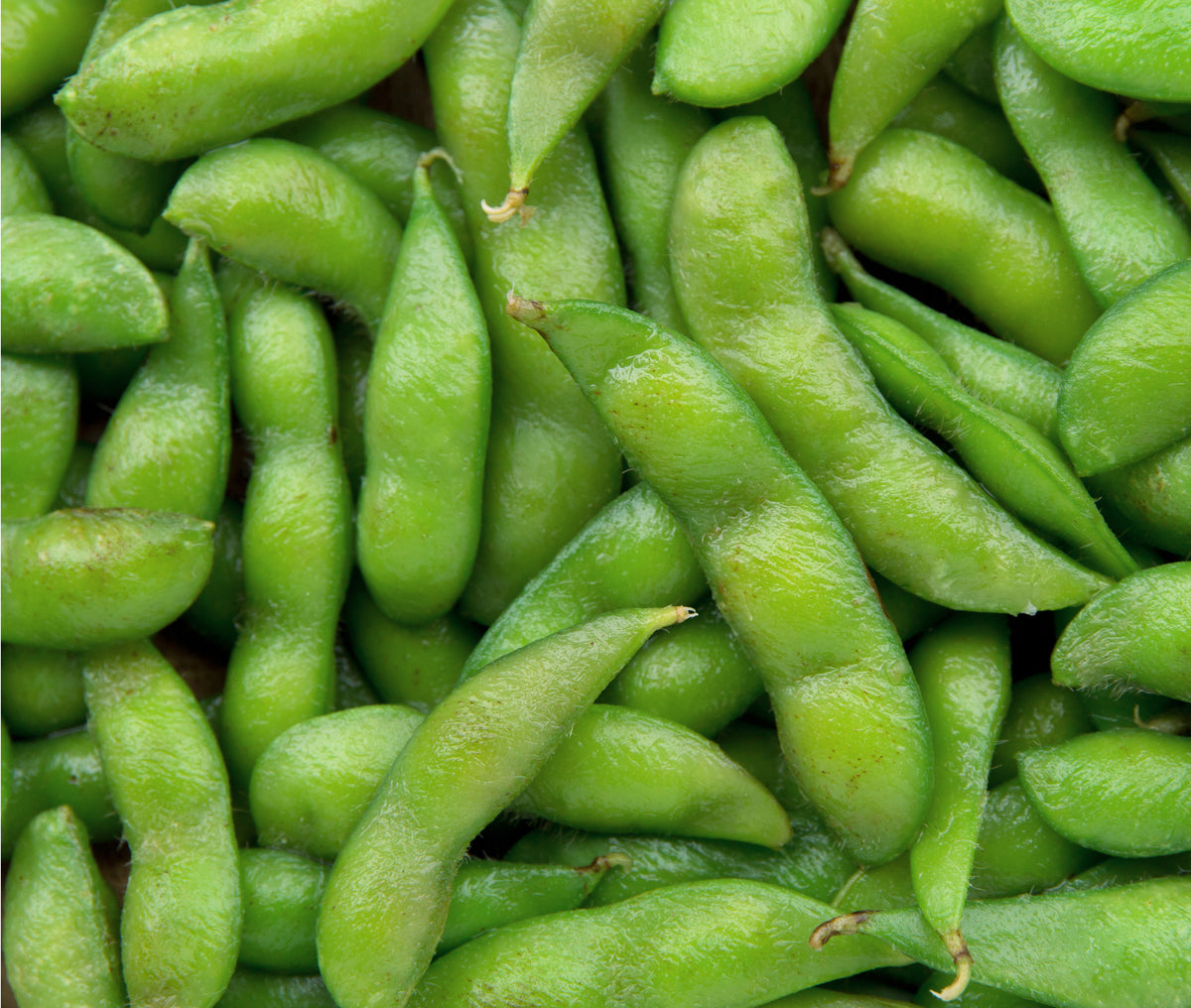
Nicotinamide Mononucleotide (NMN) is a naturally occurring compound found in small amounts in foods such as edamame, broccoli, cabbage, cucumbers, avocados, and tomatoes. NMN serves as a direct precursor to nicotinamide adenine dinucleotide (NAD+), a coenzyme found in every living cell that is essential for cellular energy production, DNA repair, metabolism, and healthy aging.
As we age, NAD+ levels naturally decline, which has led researchers to investigate ways to support healthy NAD+ production. Because NMN is readily converted into NAD+ within cells, it has become one of the most extensively studied ingredients for supporting cellular energy, healthy aging, and metabolic function.
Traditional Uses
Although NMN is not a traditional botanical or herbal ingredient, it is naturally present in many everyday foods that have long been part of healthy diets around the world. Only recently have researchers identified NMN as one of the compounds that contributes to normal NAD+ production within the body.
Today, NMN is widely recognized for its role in supporting cellular energy production and healthy aging. It is commonly used in dietary supplements designed to promote vitality, metabolic health, cognitive function, and overall cellular wellness.
What Does Science Tell Us?
NMN functions primarily as a precursor to NAD+, a coenzyme required for hundreds of metabolic reactions throughout the body. NAD+ helps convert nutrients into cellular energy, supports mitochondrial function, assists with DNA repair, and activates enzymes known as sirtuins that help regulate healthy cellular aging.
Human clinical research has consistently shown that NMN supplementation increases blood NAD+ levels, confirming that it is an effective precursor for replenishing this essential coenzyme. Several studies have also reported improvements in measures of physical performance, muscle function, and overall vitality, although the extent of these benefits varies among populations and study designs.
Researchers continue to investigate NMN's potential role in supporting healthy metabolic function. Early clinical studies suggest it may help support insulin sensitivity and cellular energy metabolism in certain populations, while preclinical research has demonstrated benefits for mitochondrial function, healthy inflammatory responses, and age-related cellular resilience. However, larger and longer-term human studies are still needed to fully understand these effects.
Overall, current evidence supports NMN as an effective NAD+ precursor that helps maintain healthy cellular energy production and supports normal metabolic function. Research into its broader role in healthy aging continues to evolve.
Safety
Human clinical trials have demonstrated that NMN is generally well tolerated when used at commonly studied doses ranging from approximately 250 mg to 900 mg per day. Published studies have reported few adverse effects, with no significant changes in heart rate, blood pressure, or other routine safety measures.
Occasionally, mild digestive discomfort, nausea, or headache may occur. Individuals who are pregnant, nursing, taking prescription medications, or managing a medical condition should consult a healthcare professional before beginning supplementation.
References
- Song Q, Zhou X, Xu K, et al. The Safety and Antiaging Effects of Nicotinamide Mononucleotide in Human Clinical Trials: An Update. Advances in Nutrition. 2023;14(6):1416-1435.
- Yi L, Chen K, Zhang X, et al. The efficacy and safety of β-nicotinamide mononucleotide (NMN) supplementation in healthy middle-aged adults: A randomized, multicenter, double-blind, placebo-controlled, parallel-group, dose-dependent clinical trial. GeroScience. 2023;45(1):29-43.
- Yoshino M, Yoshino J, Kayser BD, et al. Nicotinamide mononucleotide increases muscle insulin sensitivity in prediabetic women. Science. 2021;372(6547):1224-1229.
- Chen F, et al. Effects of Nicotinamide Mononucleotide on Glucose and Lipid Metabolism in Adults: A Systematic Review and Meta-analysis of Randomised Controlled Trials. Current Diabetes Reports. 2024.