


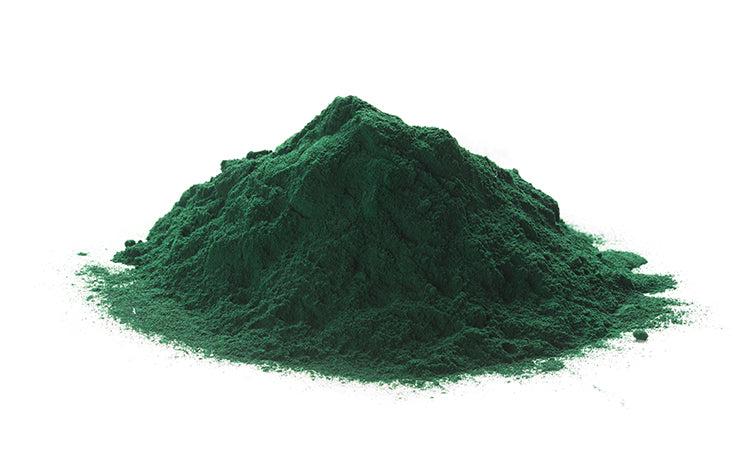
Spirulina
Spirulina
What Spirulina Is and Why It Matters
Spirulina is a nutrient-dense blue-green algae that has been used as a food source for centuries. It’s valued for its high concentration of protein, vitamins, minerals, and antioxidants that support overall cellular nourishment.
Because many foundational processes in the body depend on adequate nutrients, spirulina helps support energy, tissue maintenance, and normal immune and metabolic function.
Where Spirulina Comes From
Spirulina grows naturally in warm, alkaline freshwater environments. It is harvested, dried, and processed into a concentrated powder to preserve its nutrients.
Quality sourcing and careful processing are important to ensure purity and maintain the algae’s natural nutritional profile.
How Spirulina Works in the Body
Spirulina supports the body by providing essential nutrients that cells use for repair, growth, and daily function. Its antioxidants help protect cells from oxidative stress, while its protein and micronutrients contribute to normal tissue maintenance.
By supporting cellular nutrition at a foundational level, spirulina helps the body maintain strength and resilience across multiple systems.
Why We Use Spirulina
We use spirulina to support whole-body nourishment and cellular resilience — important factors for tissue rebuilding and long-term structural health.
Where You’ll Find Spirulina
Spirulina is featured in:
In this formula, spirulina is combined with complementary nutrients that support tissue repair, regeneration, and cellular strength.
Safety & Considerations
Spirulina is generally well tolerated when properly sourced. Individuals with autoimmune conditions or those who are pregnant or nursing should consult a healthcare professional before use. As with all supplements, quality and purity are key to safe use.