


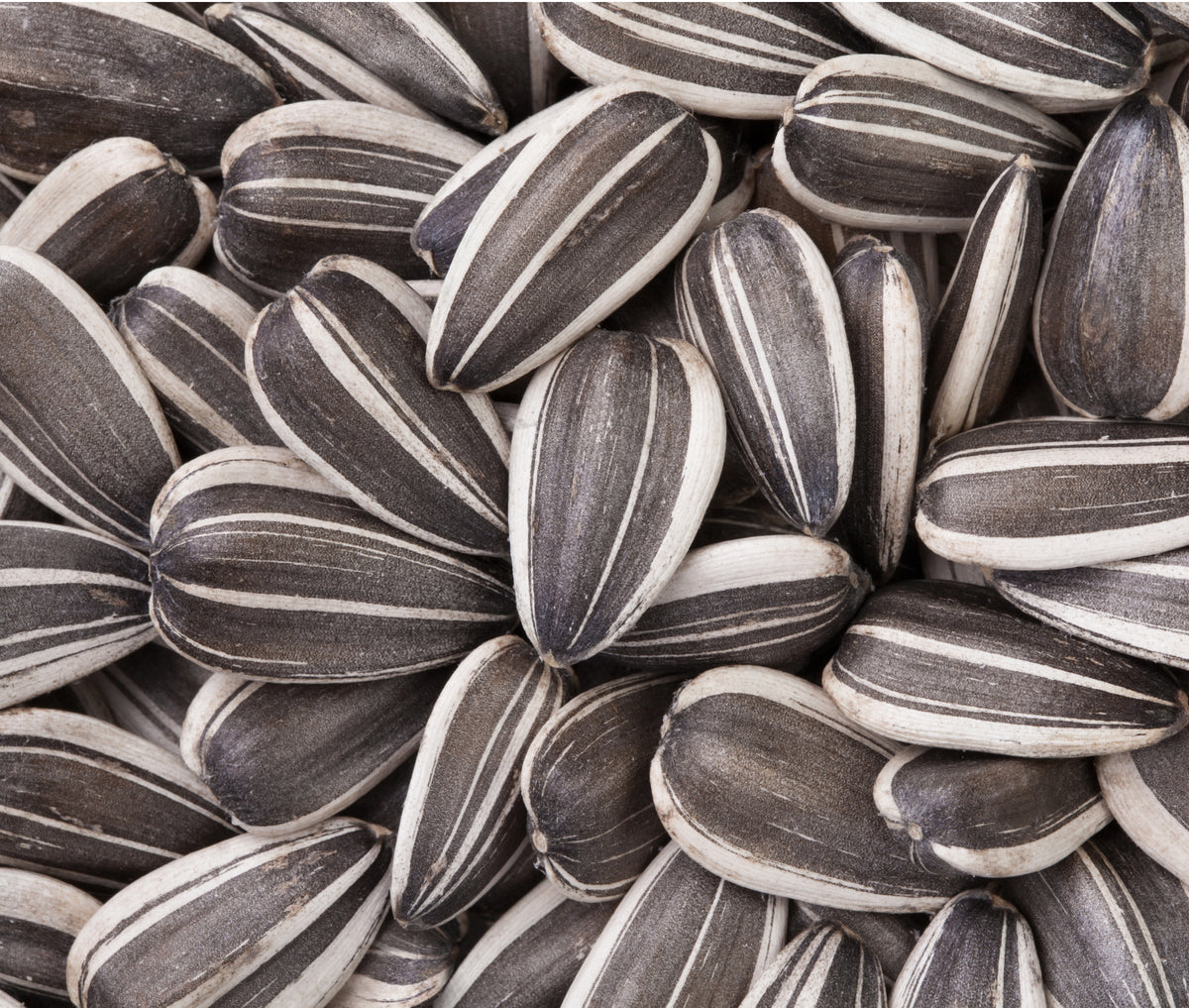
Sunflower Lecithin
Background
Sunflower lecithin is a naturally derived mixture of beneficial fats called phospholipids obtained from sunflower seeds. These phospholipids, including phosphatidylcholine, phosphatidylethanolamine, and phosphatidylinositol, are important structural components of cell membranes throughout the body.
Lecithin also provides a natural source of choline-containing phospholipids. Choline is an essential nutrient involved in brain and nervous system function, liver health, and normal fat metabolism. Because phospholipids can interact with both water and fats, sunflower lecithin is also commonly used in nutritional products to help disperse and deliver fat-soluble ingredients.
Traditional Uses
Sunflower seeds have been cultivated and consumed for centuries as a nutrient-rich food and source of beneficial fats. While concentrated sunflower lecithin is a more modern nutritional ingredient, the phospholipids it provides are naturally present in many familiar foods, including seeds, eggs, and other plant and animal foods.
Today, sunflower lecithin is valued both as a source of naturally occurring phospholipids and for its functional properties. It is commonly used to support cellular health, healthy fat metabolism, and nutrient delivery, particularly in liposomal and other lipid-based supplements.
What Does Science Tell Us?
Phospholipids are essential components of the membranes surrounding every cell in the body. They help maintain membrane structure, flexibility, and normal cellular communication. Phosphatidylcholine, one of the primary phospholipids found in lecithin, also provides choline that the body can use for a variety of physiological functions.
Choline plays an important role in nervous system health because it is needed to produce acetylcholine, a neurotransmitter involved in memory, learning, and muscle function. It is also necessary for normal lipid transport and metabolism in the liver, helping move fats from the liver to other tissues where they can be used or stored.
Lecithin's phospholipids also have natural emulsifying properties, meaning they can help fats and water mix together. This makes sunflower lecithin particularly useful in liposomal supplements, where phospholipids form structures that can surround and carry nutrients. These lipid-based delivery systems are designed to help protect certain ingredients and support their dispersion and absorption.
While research on individual phospholipids such as phosphatidylcholine is extensive, clinical research specifically evaluating sunflower-derived lecithin as a standalone supplement is more limited. Its benefits are therefore best understood through the established biological roles of the phospholipids it naturally provides.
Safety
Sunflower lecithin is generally well tolerated when consumed in foods and dietary supplements. Because it is derived from sunflower seeds, it also provides an alternative to lecithin commonly sourced from soy.
Higher supplemental amounts of lecithin or choline-containing ingredients may occasionally cause digestive discomfort, nausea, or loose stools. Individuals with a known sunflower seed allergy should consult a healthcare professional before using sunflower-derived ingredients.
Individuals who are pregnant, nursing, taking medications, or managing a medical condition should consult a qualified healthcare provider before beginning supplementation.
References
National Institutes of Health, Office of Dietary Supplements. Choline Fact Sheet for Health Professionals. https://ods.od.nih.gov/factsheets/Choline-HealthProfessional/
Institute of Medicine. Dietary Reference Intakes for Choline. In: Dietary Reference Intakes for Thiamin, Riboflavin, Niacin, Vitamin B6, Folate, Vitamin B12, Pantothenic Acid, Biotin, and Choline. National Academies Press. 1998.
Zeisel SH, da Costa KA. Choline: An essential nutrient for public health. Nutrition Reviews. 2009;67(11):615-623.