


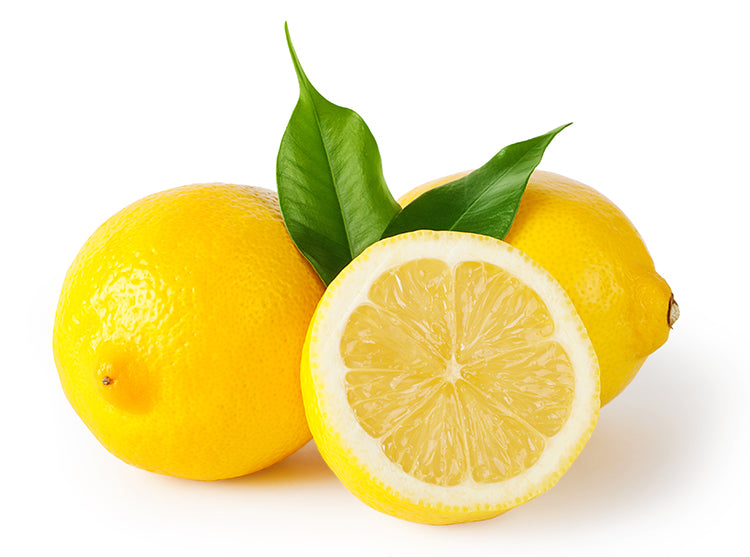
Lemon Bioflavonoids
Background
Lemon bioflavonoids are a group of naturally occurring plant compounds found primarily in the peel and pulp of lemons (Citrus limon). They include flavonoids such as hesperidin, eriocitrin, diosmin, and rutin, which are known for their antioxidant properties and ability to support vascular and cellular health. These compounds work alongside vitamin C in citrus fruits and are often included in dietary supplements to complement its activity.
Modern extraction methods concentrate these beneficial flavonoids from lemon peel, providing a standardized source of bioactive compounds that support healthy circulation, immune function, and antioxidant defenses.
Traditional Uses
Citrus fruits have been valued for centuries in traditional diets and herbal practices around the world. Lemons were historically consumed to promote overall wellness, particularly during times of seasonal illness, and were prized for their refreshing properties and high nutrient content.
Today, lemon bioflavonoids are recognized for their ability to provide antioxidant support, promote healthy blood vessel function, and complement the activity of vitamin C. They are commonly used in supplements designed to support immune health, circulation, and healthy aging.
What Does Science Tell Us?
Lemon bioflavonoids are powerful antioxidants that help protect cells from oxidative stress caused by free radicals. Research suggests these compounds help maintain cellular health by supporting the body's natural antioxidant defense systems and reducing oxidative damage.
One of the most studied benefits of citrus bioflavonoids is their support for healthy blood vessel function. Laboratory and clinical research suggests flavonoids such as hesperidin and eriocitrin help maintain endothelial function, promote healthy circulation, and support capillary integrity. These effects may contribute to overall cardiovascular wellness.
Lemon bioflavonoids also appear to work synergistically with vitamin C. Research suggests flavonoids may help protect vitamin C from oxidation while supporting its absorption and biological activity, making the two nutrients a common pairing in dietary supplements.
Emerging research has also explored the role of citrus bioflavonoids in supporting healthy inflammatory responses, immune function, and neurological health through their antioxidant effects. While many of these findings are promising, additional human clinical research is needed to better understand their long-term benefits.
Overall, current evidence supports lemon bioflavonoids as valuable plant compounds for promoting antioxidant protection, healthy circulation, vascular integrity, and overall cellular wellness.
Safety
Lemon bioflavonoids are generally recognized as safe and have demonstrated excellent tolerability in both foods and dietary supplements. Clinical studies have reported few adverse effects when consumed at commonly used supplemental doses.
Occasionally, sensitive individuals may experience mild digestive discomfort. Individuals with citrus allergies should avoid products containing lemon-derived ingredients.
As with any dietary supplement, individuals who are pregnant, nursing, taking medications, or managing a medical condition should consult a healthcare professional before use.
References
- National Institutes of Health, Office of Dietary Supplements. Vitamin C Fact Sheet for Health Professionals. https://ods.od.nih.gov/factsheets/VitaminC-HealthProfessional/
- Testai L, Calderone V. Nutraceutical value of citrus flavanones and their implications in cardiovascular health. Nutrients. 2017;9(5):502.
- Barreca D, Gattuso G, Bellocco E, et al. Flavanones: Citrus phytochemical compounds with health-promoting properties. BioFactors. 2017;43(4):495-506.
- Li S, Lo CY, Ho CT. Hydroxylated polymethoxyflavones and methylated flavonoids in sweet orange (Citrus sinensis) peel. Journal of Agricultural and Food Chemistry. 2006;54(12):4176-4185.
- Peterson JJ, Dwyer JT, Beecher GR, et al. Flavanones in oranges, tangerines, and related citrus fruits: A review of their biological activity and health benefits. Journal of Food Composition and Analysis. 2006;19(Suppl):S66-S73.